March 26 2024
The Landscape
Businesses that genuinely focus on Equity, Diversity, and Inclusion (EDI) can reap a multitude of benefits, impacting various aspects of their operations and performance.
The Financial Conduct Authority (FCA), Prudential Regulation Authority (PRA), and Bank of England (BoE) are working together to implement mandatory EDI reporting for firms in the UK financial services sector. This is in its infancy but will doubtless iteratively evolve going forward. Similar regulations are emerging in other sectors and may expand to other countries, making EDI a global imperative.
But true progress goes beyond meeting basic requirements. It’s about unlocking a competitive advantage and building a more equitable outlook. With the appropriate toolset and approach, this can be an easily assailable task.
Initial Requirements of Regulation
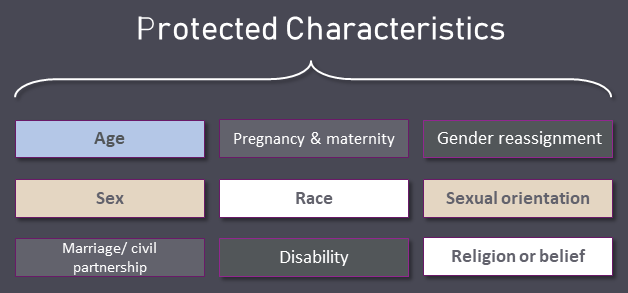
This initially focuses on mandatory reporting on “protected characteristics,” as defined by the Equality Act 2010. It then distinguishes between workforce data, senior management, and the Board. The initial requirement would be for annual returns on the reporting.
Where is regulation going?
As the regulation takes root, its influence and application will likely broaden in a cyclical manner as it matures. This evolution may prompt regulators to introduce:
- Targets for EDI representation: This could be a contentious point, but it could be used to drive faster progress.
- Diversity targets: Some countries, like Norway, have implemented quotas for female representation on boards, highlighting a more interventionist approach
- Linking senior leader compensation to EDI metrics would incentivise leaders to prioritise EDI initiatives.
- Considering EDI in non-financial misconduct cases: Firms with poor EDI records could face harsher penalties.
- Mandatory EDI training for employees: This could help to create a more inclusive workplace culture.

Expanding the scope of reported data
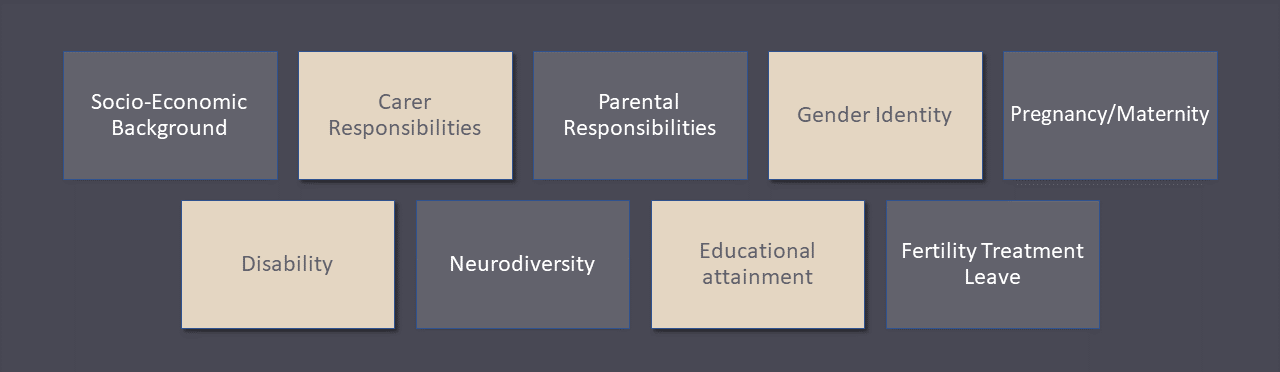
Initially, a number of additional characteristics are deemed voluntary for the purpose of regulatory reporting. These could be strong contenders for expanding the scope of reported data in the future, amongst other things.
This could include:
Enforcement and Penalties
The exact details of enforcement and penalties are still under discussion. However, the proposed framework suggests a tiered approach:
- Initial focus on transparency and accountability: Regulators will primarily use the data to monitor progress and identify areas for improvement.
- Potential escalation for non-compliance: For repeated or egregious breaches, the regulators could:
- Issue public statements criticising the firm’s EDI performance.
- Increase supervisory scrutiny.
- Implement more stringent requirements, potentially including financial penalties in severe cases.
Challenges of collating & processing meaningful personal data
Collecting EDI characteristics data can be a sensitive and delicate process that needs to be updated on an ongoing basis. This data is the bedrock of all EDI analysis and processes and needs to be as accurate and complete as possible.

Communicating data ownership and control to staff
It’s crucial to be transparent and empower staff regarding their EDI data to help achieve data completeness and accuracy:
- Clear communication: Clearly explain why the data is being collected, how it will be used, and the safeguards in place to protect privacy.
- Data ownership: Emphasise that staff own their data and have the right to access, correct, or withdraw their consent at any time, following a clear and defined procedure.
- Data usage limitations: Assure staff that their data will only be used for legitimate EDI purposes and not for any discriminatory decision-making.
- Security measures: Outline the technical and organisational measures taken to protect data confidentiality and security.
By addressing these challenges and effectively communicating data ownership and control, financial services firms can create a trusting environment where staff feel comfortable sharing their EDI information, enabling the development and implementation of successful EDI initiatives.
Go beyond basic compliance and unlock the socio-economic rewards
Going deeper: Analyse multi-layered data like demographics, performance, and remuneration to uncover hidden connections and opportunities.
- Actionable insights: Leverage data-driven intelligence to inform strategic EDI initiatives, improve employee experience, and boost performance.
- Ethical leadership: Demonstrate a genuine commitment to EDI by fostering a diverse and inclusive work environment for all.
- In-depth analysis: Explore multi-layered EDI data, including demographics, performance, and remuneration.
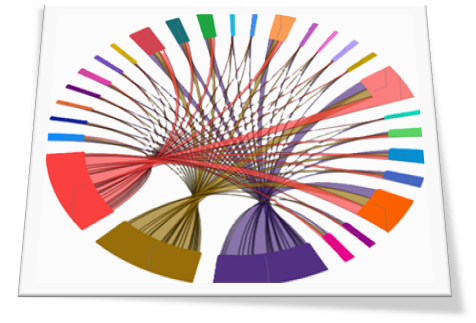
- Correlational insights: Discover hidden connections between diverse characteristics, revealing valuable patterns and opportunities.
- Actionable intelligence: Gain data-driven insights to inform strategic EDI initiatives, improve employee experience, and boost performance.
Stay Ahead of the Curve: Uncover Deep EDI Insights
Correlating Characteristics
While the initial focus is on individual characteristics, the regulators are likely interested in understanding the intersections between these characteristics. For example, they might be interested in:
- The gender pay gap for different ethnicities.
- The representation of disabled employees from different racial backgrounds.
This intersectional analysis can help identify areas where specific groups face multiple disadvantages and can inform targeted Equality, Diversity and Inclusion initiatives.
Social benefits
- Financial inclusion: Reaches underserved communities and promotes equitable financial product and service access.
- Community engagement: Builds trust and strengthens relationships with diverse communities.
- Positive societal impact: Contributes to a more inclusive and equitable financial system.
Business benefits
- Enhanced Innovation and Creativity: Diverse teams bring fresh perspectives and foster creativity, leading to new ideas and solutions.
- Improved talent acquisition and retention: Attracts and retains top talent from a wider pool of qualified candidates.
- Enhanced Brand Reputation and Customer Satisfaction: This demonstrates a commitment to diversity and inclusion, building brand trust and loyalty.
- Enhanced decision-making: Diverse viewpoints lead to more comprehensive and informed decision-making.
- Increased customer base: Opens doors to new market segments with diverse needs and preferences.
- Increased profitability: Studies have shown that companies with diverse workforces outperform their less diverse counterparts financially.
The way ahead …
EDI goes beyond just meeting regulations. It’s a smart business move that strengthens your brand, unlocks opportunities, and contributes to a better society.
Don’t just comply; thrive with strategic EDI practices. 4Front can help you rapidly and effectively implement EDI reporting and analytic tools.